


By Nick Simonson
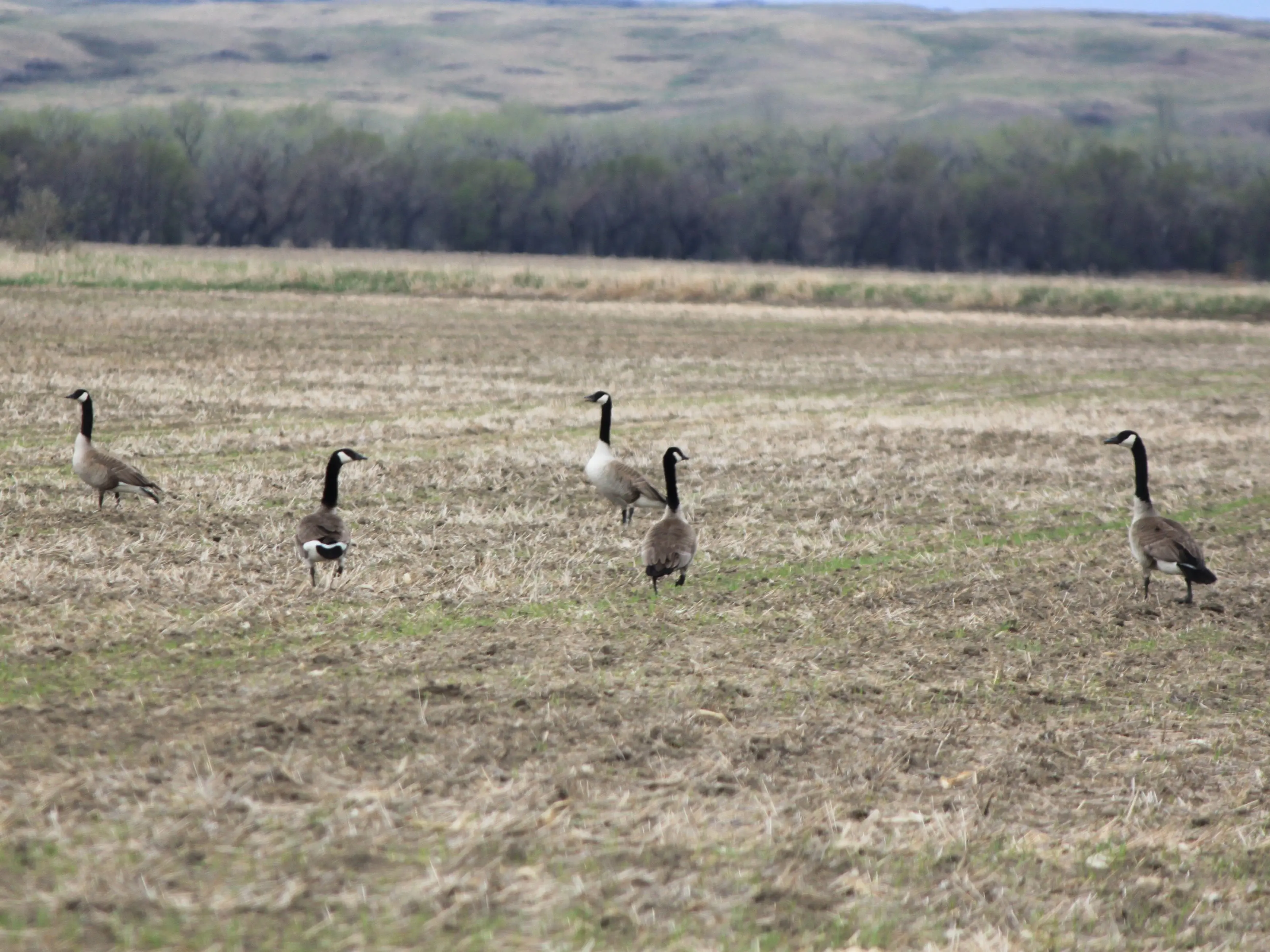
With the early Canada goose management take hunting season opening on Fri. Aug. 15, the population of North Dakota’s Canada geese remains in good shape for those hunters looking to hit the field before fall starts in earnest. While down slightly in comparison to the last few years, tallies show good numbers of resident Canada geese and good broods developing from spring nesting and summer gosling rearing efforts according to John Palarski, Migratory Game Bird Management Biologist for the North Dakota Game & Fish Department (NDG&F).
“Our Canada goose population is still quite robust throughout much of the state; albeit it has been declining in recent years according to our May survey that we do every year. But hunter should still expect plenty of Canada geese on the landscape and plenty of good hunting opportunities,” Palarski states.
Buoyed by some late rains, geese were able to utilize more ponding water that what greeted them in early spring upon their return to the region, as May, June and July brought above average rainfall to much of the southern, central and eastern portions of the state. In turn, these waters will also help hunters figure out where resident geese are roosting and point them in the direction of where and when to set up as a late summer pattern for the waterfowl develops. Palarski encourages hunters to get out and do some scouting of their favorite wetlands to figure things out as the landscape changes with the season.
“We did pond plenty of water over June and July, and we’ve had plenty of rain over the last couple of weeks,” Palarski comments on the status of the state’s sloughs, adding, “some of those crops that folks are targeting during that management take are coming off now so there’s plenty of opportunity there.”
The harvest of small grains has begun in earnest across North Dakota, opening up some early fields for hunters to position their decoys as conditions have been favorable. What’s more, the small grains left on the ground as a byproduct of farmers’ efforts also serve as a draw to Canada geese and will bring resident flocks in to feed on the leftovers for several days if not a couple of weeks following the harvest efforts. As of Aug. 10, approximately nine percent of wheat fields in North Dakota have been harvested according to the U.S. Department of Agriculture weekly report, with operators actively in the process during the warm, sunny days in the week leading up to the early management take season’s opener.
The early Canada goose season starts on Aug. 15 statewide and closes on Sep. 7 in the state’s Missouri River zone, Sept. 15 in the western zone and Sept. 22 in the eastern zone. Hunters can harvest 15 Canada geese per day during the early season and can have 45 in their possession. Shooting hours in the early season run from one-half hour before sunrise until sunset. Resident hunters of North Dakota need a $10 early Canada goose license along with a general game and habitat license, and a small game license for hunters 16 or older. Nonresidents need a $50 early Canada goose license. In addition, all early Canada goose hunters need a waterfowl habitat restoration stamp. More information on licensing requirements and the early season can be found at gf.nd.gov/hunting/canada-geese.