


VALLEY CITY, N.D. (NewsDakota.com) – Rare is the lake where bluegills start to approach the ten inch mark in catchable numbers. Perhaps it’s a hidden pond, or a small slough stocked years ago that’s just far enough out of the way that most anglers don’t fish it. When you find a place like that, it’s best to keep such a bite to yourself to extend fantastic fishing for those tall-tale-sized hump-headed deep purple panfish. More often, however, every lake has a few true bull-
sized bluegills lurking in the ranks of the panfish that patrol its weedlines and summer shallows. There, the trouble isn’t finding fish to catch, but rather, getting to those few big ones that are often outcompeted for your offerings by the sundry smaller specimens in the inverted panfish pyramid. What follows are tips for finding those big bluegills, and
more importantly, catching them.
Go Big: Like with muskies, pike and walleyes, the bigger versions of each species often take larger baits than their smaller counterparts. For big pike and muskies, suckers of over a pound are reasonable offerings, compared to smaller baits the rest of the population will attack. Creek chubs might be the bet for trophy-sized walleyes as opposed to a
standard fathead chubs for a stringer full of eater-sized fish. Keep the same thing in mind for larger bluegills, as a combination of bigger lures such as 1/16 ounce jigs, as opposed to those 1/32- or 1/64-ounce offerings, will provide a
target that is work for smaller panfish, but bigger ones could take down with their sizeable inhale. Consider too larger baits, like crappie minnows and small leeches, as opposed to the usual chunk of nightcrawler or waxworm which is standard for panfish. While little bluegills can peck and pop at a bigger bait, it takes a bit more to strip the hook and a larger morsel helps target bigger panfish.
Get Deeper: Typically schools of bluegills will manifest in a vertical arrangement, with older, bigger fish near the bottom, and smaller, younger ones up top. There, the younger fish more aggressively rise on smaller insects and other natural prey as they patrol the surface reaches, while bigger ones can focus on the larger items such as minnows, crayfish and insects found on the bottom. Cast out and away from the school and let your offering fall deeper, working it back into the area where the fish are, pulling it right through the lower strata of bluegills, where the fish are often bigger. Remember those heavier baits too can punch through a school of fish faster, avoiding the smaller snackers in favor of the feeding bulls nearer to the bottom.
This spring, no matter where bluegills are found, you can locate and catch the biggest by focusing on the size of your offering and where bulls relate to their prey and the rest of their school. Use bigger lures and baits to keep the smaller fish away, and work deeper areas where bigger bluegills lurk to find more success. And if you do find that secret pond where all the fish are closing in on that 10-inch mark, keep it to yourself and off social media!
By Nick Simonson, the lead writer and editor of Dakota Edge Outdoors.
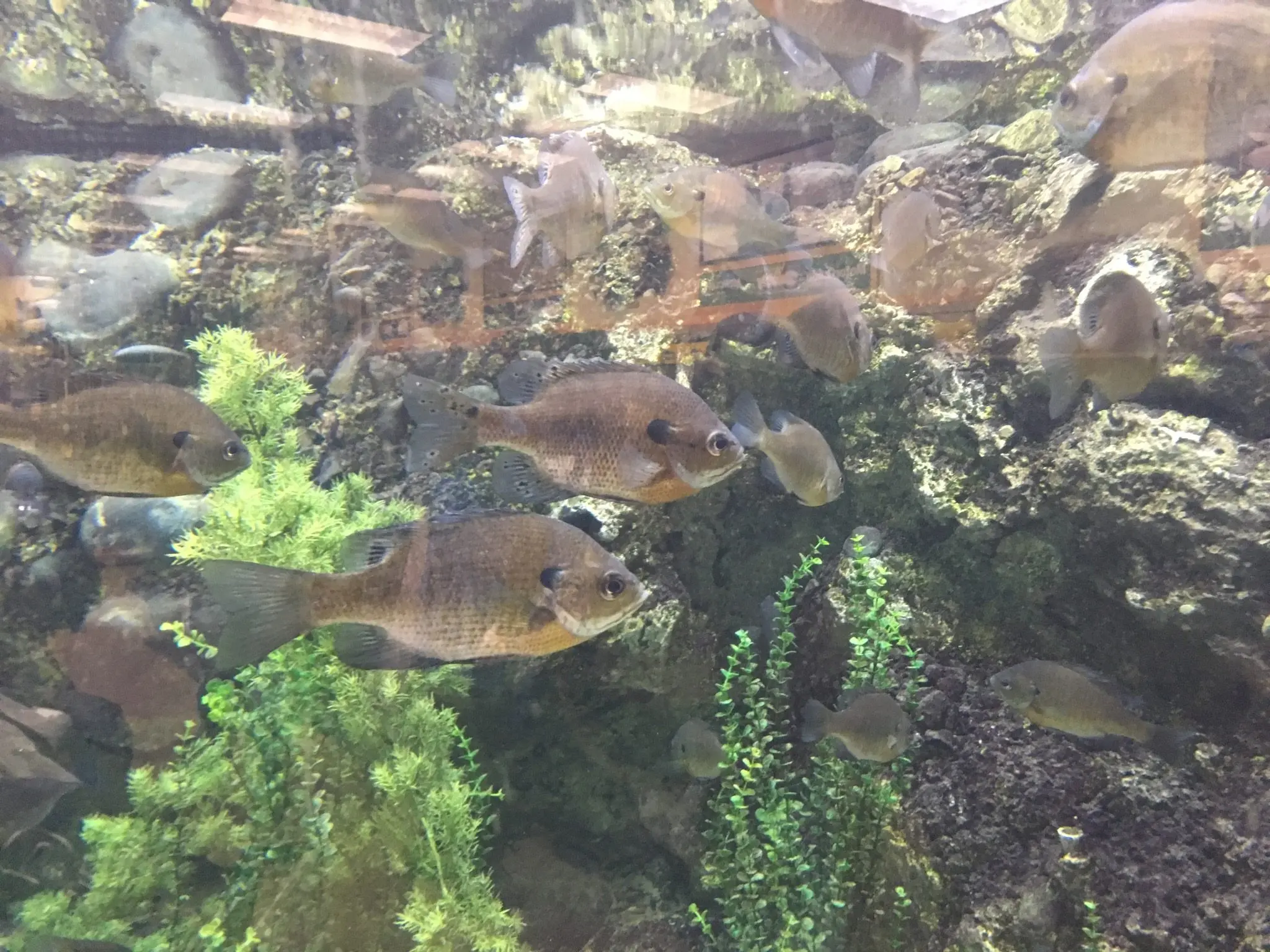
Featured Photo: Bully! Large bluegills are tough to find, and getting the big ones to bite often means avoiding the smaller members of the school. Use bigger lures and baits and focus on deeper holding areas to connect with panfish as big as your face this spring and summer! Simonson Photo.